
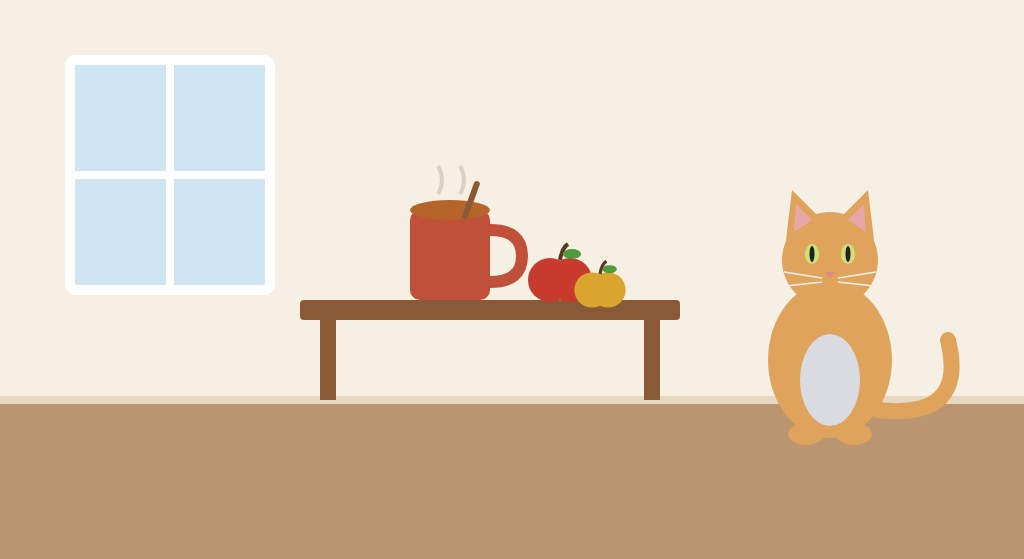
Can cats drink apple cider? It is best not to give it. Plain, pasteurized, non-alcoholic apple cider is not listed as poisonous to cats, but cats are obligate carnivores with no need for fruit drinks, and the kind of cider matters a lot. Hard cider contains alcohol, which VCA Animal Hospitals’ toxicologists say cats are “especially sensitive” to. Mulled and spiced ciders can carry alcohol and strong spices, and unpasteurized farm cider can carry bacteria. If your cat drank hard cider or a mulled drink, or is vomiting, wobbly or unusually sleepy after drinking any cider, call your veterinarian, the nearest 24-hour emergency animal hospital, the ASPCA Animal Poison Control Center at (888) 426-4435 or the Pet Poison Helpline at (855) 764-7661 (both US, 24/7, a fee may apply).
This page is general information from a cat parent who reads veterinary sources, not a veterinarian. It is here so your call to a professional is faster and better informed, not to replace it.
“Apple Cider” Means Different Things
Before you can answer whether a cider is a problem, you need to know which one was in the glass:
| Type | What it is | Main concern for cats |
|---|---|---|
| Sweet (soft) cider, pasteurized | Unfiltered apple juice, heat-treated | Sugar and stomach upset; no nutritional value |
| Fresh or farm cider, unpasteurized | Raw pressed apple juice | Possible harmful bacteria, as the FDA warns for people |
| Hard cider | Fermented, contains alcohol | Alcohol; cats are especially sensitive |
| Mulled or spiced cider | Heated with spices, often with wine, rum or brandy added | Alcohol if added; concentrated spices |
| Apple cider vinegar | Fermented to acetic acid | Acidic and sour; a separate question we cover separately |
Is Apple Cider Bad for Cats?
Sweet cider is not toxic, but it is not good for them either. The Cornell Feline Health Center explains that cats are obligate carnivores, which means “they rely on nutrients found only in animal products.” A fruit drink adds sugar and liquid calories without anything a cat needs. Cornell’s rule of thumb is that treats should not exceed “10 to 15 percent of a cat’s daily caloric intake,” and a sugary drink is a poor use of that space. A few laps may cause nothing at all, or a soft stool and some vomiting in a sensitive cat.
Hard cider is a real hazard. VCA’s article on alcohol poisoning, written with Pet Poison Helpline veterinary toxicologists, says “all animals are at risk of alcohol poisoning, but cats are especially sensitive,” and that signs usually appear “within 15 to 90 minutes” of a toxic exposure. Hard cider smells and looks like sweet cider, so a cat lapping from a glass at a party may be getting alcohol without anyone realizing. Our page is alcohol toxic to cats covers what to do.
Unpasteurized cider carries a food safety risk. The FDA explains that with raw juice and cider, “bacteria from the produce can end up in your juice or cider,” and requires packaged untreated juice to carry the warning: “This product has not been pasteurized and therefore may contain harmful bacteria.” That warning is written for people, but the bacteria do not distinguish. Kittens, older cats and cats with weakened immune systems are the ones to be most careful with.
What About Apples Themselves?
The ASPCA lists apple (Malus, including crabapples) as toxic to dogs, cats and horses because the stems, leaves and seeds contain cyanogenic glycosides. Clinical signs it lists include brick-red mucous membranes, dilated pupils, difficulty breathing, panting and shock. Strained cider does not contain seeds or stems, so this concern is mostly about cats chewing apple cores, branches, or leaves from an apple tree, not about a lap of cider. If your cat chewed apple seeds, stems or leaves, call.
Mulled and Spiced Cider
Holiday cider is the version most likely to cause trouble. It is often served warm, sweet and smelling of spice, sometimes with wine or spirits stirred in, and it is left in mugs on coffee tables. Two separate problems can be in the same mug:
- Alcohol, if wine, rum, brandy or whiskey was added. Ask whoever made it.
- Strong spices such as nutmeg, cinnamon and cloves, used whole or ground. A cat is unlikely to drink much spiced cider, but whole spices and spice sachets left in the pot are another thing to keep out of reach.
My Cat Drank Apple Cider: What Should I Do?
- Find out which cider it was. Read the label or ask the host: sweet or hard, pasteurized or raw, anything added.
- If it contained alcohol, call your vet or a poison line now and keep your cat warm while you call. Do not wait for signs.
- If it was plain sweet cider, remove the rest, offer fresh water and watch your cat for the next day.
- Call your vet if your cat vomits more than once, has diarrhea that continues, stops eating, or seems lethargic or wobbly.
- Do not induce vomiting. See what to do when a cat may be poisoned.
Signs to Watch For
- After sweet cider: soft stool, gas, a single vomit, drinking more water.
- After hard or mulled cider: drooling, vomiting, stumbling, disorientation, unusual sleepiness, slow breathing, feeling cold. VCA lists slow breathing, tremors and seizures among severe signs.
- After unpasteurized cider: vomiting, diarrhea, poor appetite or lethargy over the following days.
Cats hide illness well; a cat that suddenly hides after drinking something unusual deserves a closer look. See cat hiding after eating something.
Why Cats Go for Drinks at All
Cats are drawn to the smell of sweet, warm or creamy drinks and to whatever their people are holding. Curiosity, not hunger. A cat that keeps investigating your mug may also be telling you its water bowl is not appealing; many cats prefer fresh, moving water. Offering a water fountain or fresh water in a wide bowl often reduces interest in people drinks.
Better Treats for Cats
If you want to give your cat something special, a small portion of a meat-based cat treat does far more than any fruit drink. For drinks, water is the only one a cat needs. Milk is another common question; see cats, dairy, raw fish and tuna.
Sources Checked
On October 28, 2026 we read the Cornell Feline Health Center page Feeding Your Cat, for the obligate carnivore definition and the treat guideline; VCA Animal Hospitals’ Alcohol Poisoning by Renee Schmid, DVM, DABT, DABVT, and Ahna Brutlag, DVM, MS, DABT, DABVT, for cats’ sensitivity to alcohol, the onset window and severe signs; the FDA page What You Need to Know About Juice Safety, for the quoted statements on unpasteurized juice and cider; and the ASPCA entry for apple, for the toxic parts, toxic principle and signs. This article publishes no dose, threshold or safe amount.
Frequently Asked Questions
Can cats drink apple cider?
It is best not to. Sweet pasteurized cider is not toxic but offers cats nothing; hard and mulled ciders can contain alcohol, which is dangerous for cats.
Is apple cider bad for cats?
Sweet cider can upset the stomach. Hard cider is a real hazard because cats are especially sensitive to alcohol.
My cat licked hard cider. What should I do?
Call your vet or a poison line now and keep your cat warm. Do not wait for signs.
Can cats eat apples?
The flesh is not the concern; the ASPCA lists apple stems, leaves and seeds as toxic because of cyanogenic glycosides.
Is apple cider vinegar the same as apple cider?
No. Vinegar is fermented to acetic acid and is a separate question.
This article is general information and does not replace veterinary care. If your cat drank hard or mulled cider, or is unwell after drinking any cider, contact your veterinarian, the ASPCA Animal Poison Control Center at (888) 426-4435, or the Pet Poison Helpline at (855) 764-7661. Only a veterinarian who examines your cat can tell you what an exposure means for them.