Mouldy Food, Bin Raids and Compost: The Tremor Risk

Merck names compost as a source of tremorgenic mycotoxins, and tremors and seizures as what they do. A bin raid is not a stomach-upset story.
Merck names compost as a source of tremorgenic mycotoxins, and tremors and seizures as what they do. A bin raid is not a stomach-upset story.

The bone is a mechanical risk and the fat is a metabolic one, and the Sunday roast delivers both at once. What your grandmother’s dogs actually faced.

Not every sugar-free product is a xylitol product, and the label is the only way to tell. Here is how the common sweeteners differ and what to read for.

Merck names dough-salt mixtures and rock salt among the exposures, and says water access is what decides it. The rehydration warning is the part nobody quotes.
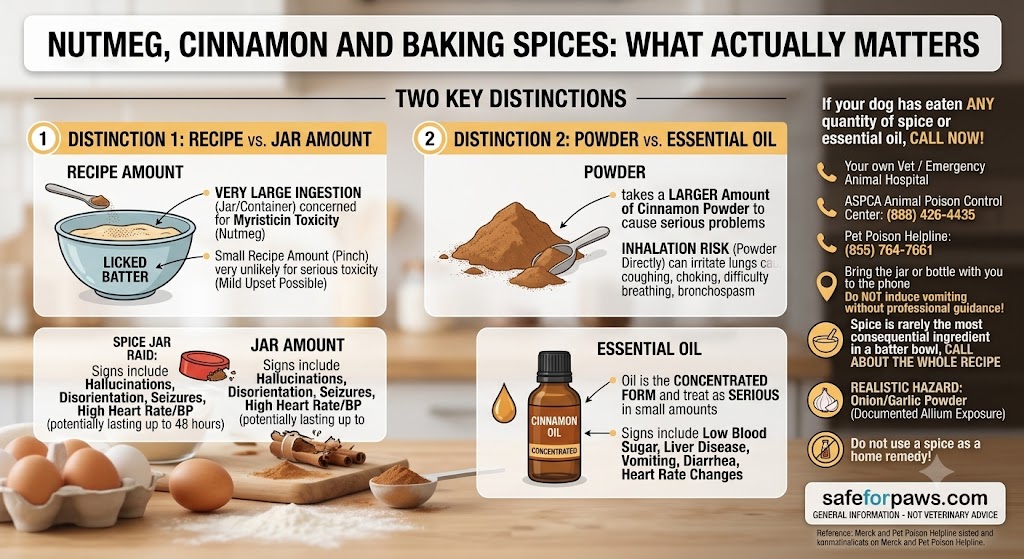
Pet Poison Helpline separates the recipe amount from the jar amount, and separates the powder from the essential oil. Those two splits are the whole subject.
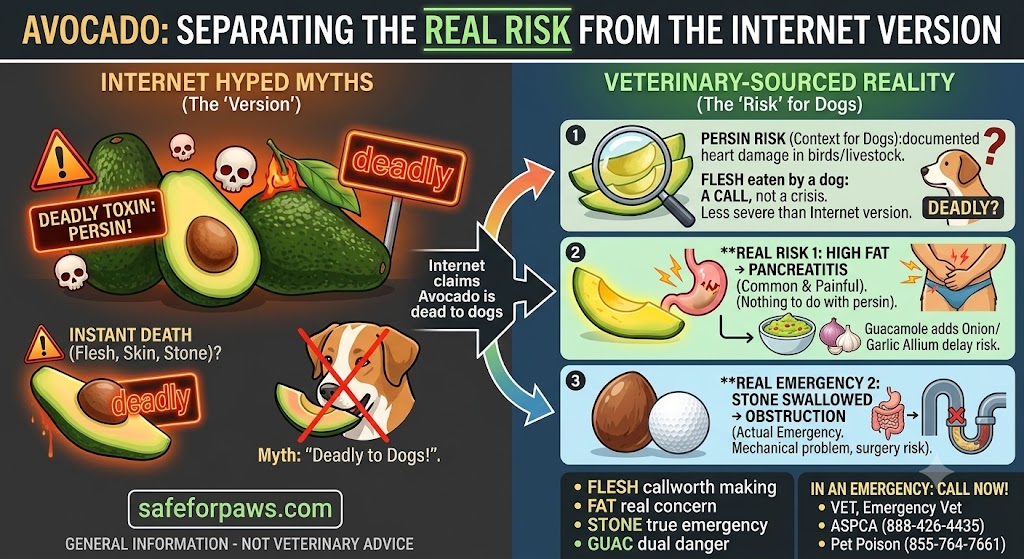
Merck says all parts of the avocado can cause poisoning in animals, and that the heart damage is documented in mammals and birds. Species is the whole answer.

Merck names caffeine as one of the two toxic principles in chocolate. The same compound is in the bin, the mug and the supplement drawer, in purer form.
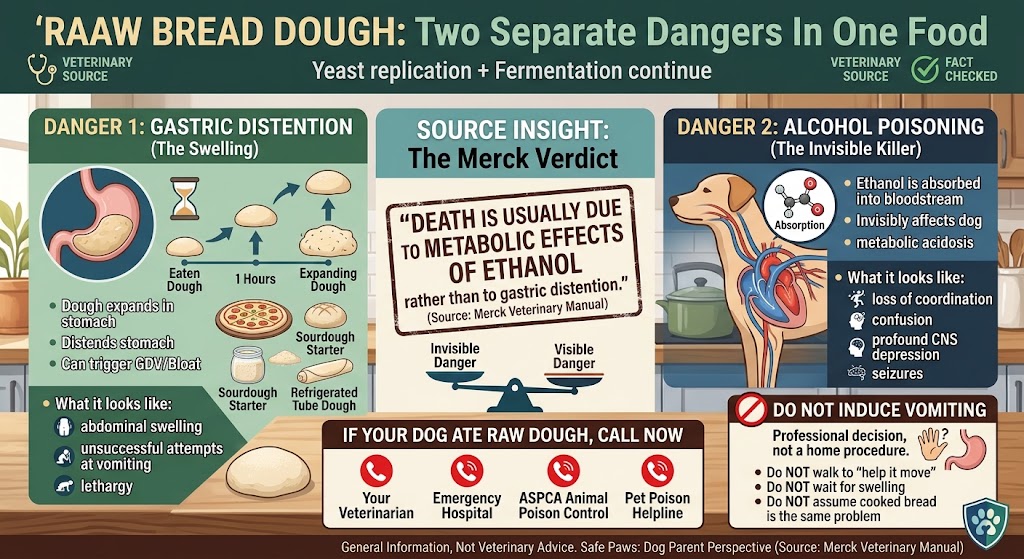
Merck says death from bread dough is usually the alcohol, not the swelling. Most pages get that backwards. Here is what each half of the problem does.
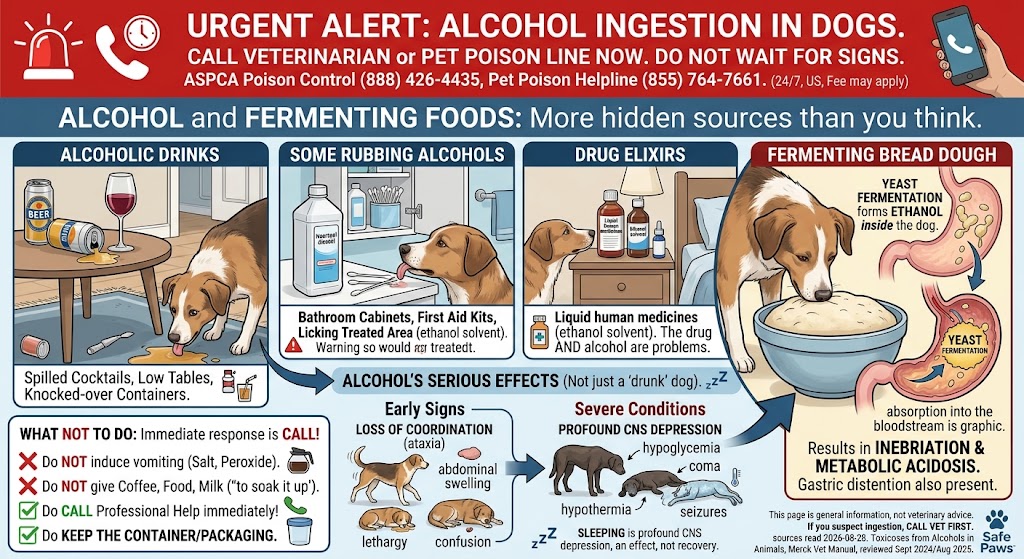
Merck names alcoholic drinks, some rubbing alcohols, drug elixirs and fermenting bread dough as ethanol sources. The drink is the one people notice.
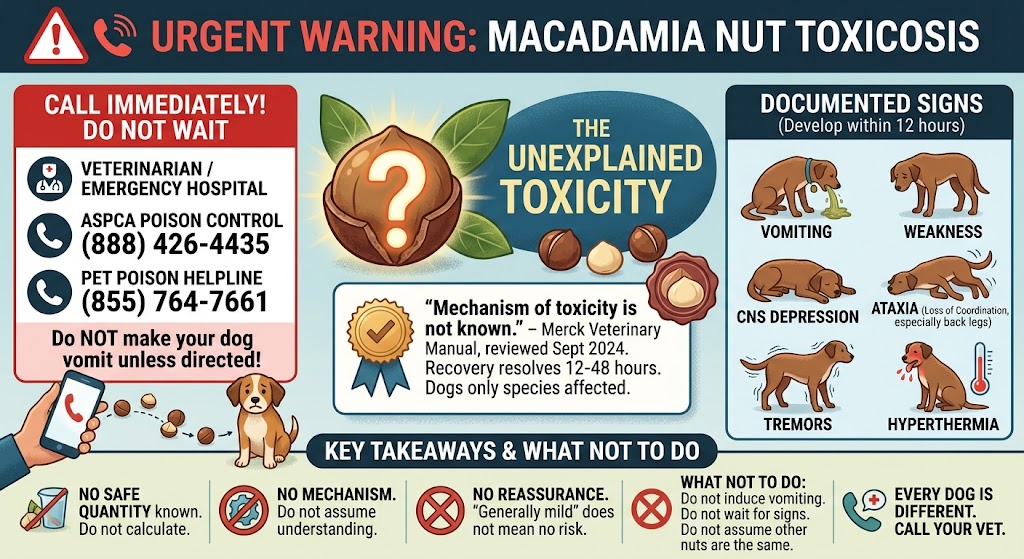
Merck states plainly that the mechanism of macadamia nut toxicity is not known. Dogs are the only species affected. Here is what is documented and what is not.